
Weekend Warriors and the Monday Morning Ache
Once fall starts showing up in the trees and the morning air, most of us feel it: winter is on its way, and there’s a lot to do before that happens. The Thanksgiving long weekend is almost here, and between the leaves that need raking, the cottage that needs closing, and the last good days for a hike, there’s plenty to fit in.
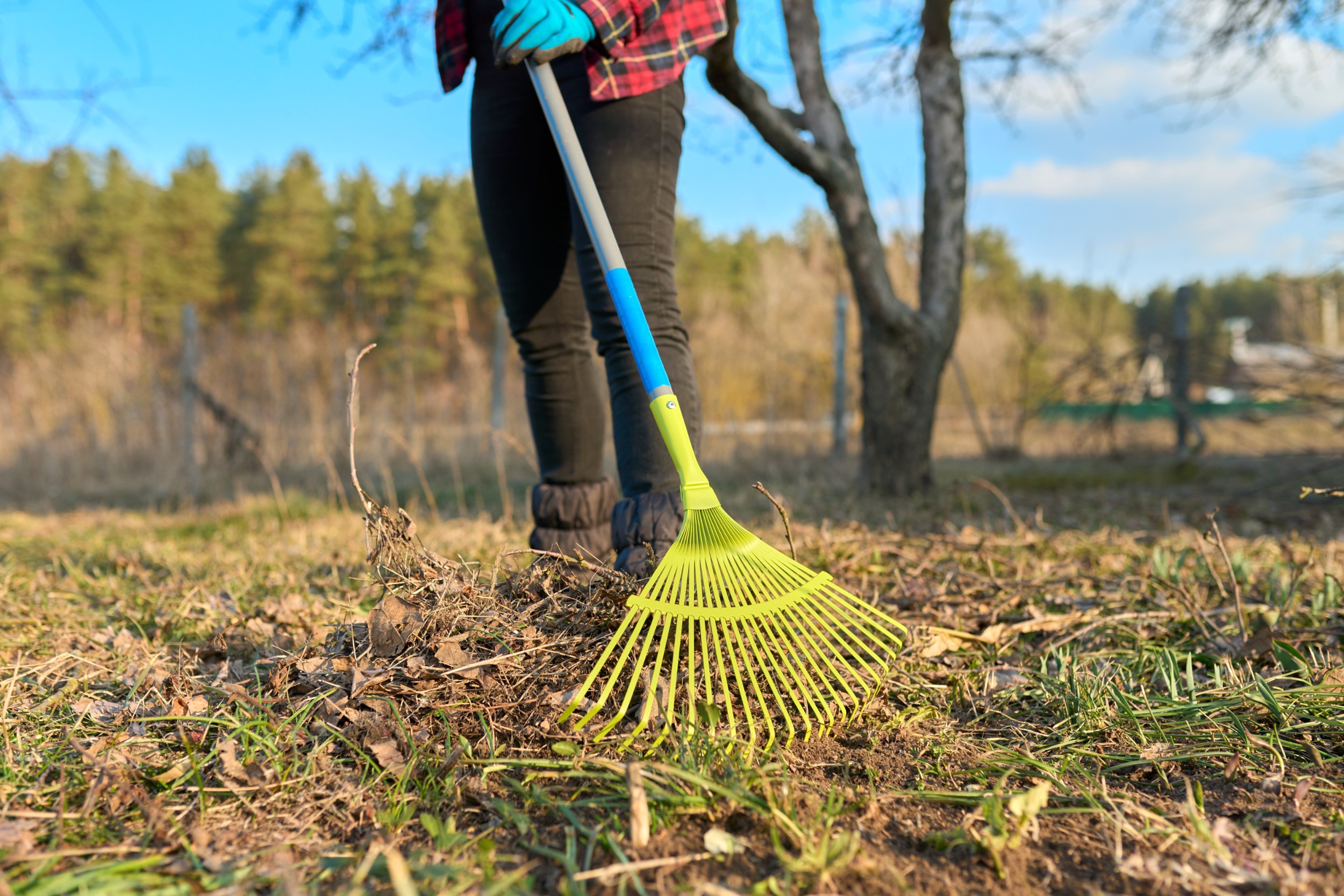
Oh, my raking back!
This time of year, we’re all weekend warriors, rushing to get ahead of Mother Nature. And by Monday morning, our bodies feel it. Let’s look at why that ache happens and what can help.What it's like to work here
The weekend sprint
Most of us know the routine. We sit through the week at a desk, in a truck, or behind a counter. Then Saturday arrives and we go all out: a long hike, a full day of yard work, maybe a game outside with the gang.
We all know why we do it. Weekends are friends and family time, and the nice weather will be leaving soon.
And if you’re a parent, your weekend may also include rink-side coffee, drives to try-outs or tournaments, a trunk full of gear, and a few errands squeezed in between. That’s a full day of moving, and it rarely comes with a warm-up.
Why the weekend catches up with us
Our bodies get used to what they do regularly. When the week is mostly sitting and the weekend is mostly sprinting, that sudden jump can be a shock to the system.
The usual trouble spots are the low back, knees, shoulders, and hamstrings. You might not feel it right away, either. Muscle soreness often shows up a day or two later, so the ache can arrive on Sunday night, hit hard on Monday morning, and still be hanging around on Wednesday.
Most of these aches ease up with a little time and care. But if a sore spot sticks around for more than a week, keeps coming back, or starts changing how you move, it’s worth getting looked at. Catching it early usually makes it easier to fix.
Steady beats sudden
Here’s the good news: you don’t need to give up your big weekend plans. You just need to give your body a little help during the week.
A little movement over several days beats one big day. And it doesn’t have to be fancy. A short walk at lunch, taking the stairs, or a few minutes of strength work while waiting for the coffee machine or the kettle. They all count. If you’re starting from zero, remember to start small. Five minutes is a perfectly respectable beginning.
Here are some other tips:
Warm up before you go. Yes, even for yard work. A few minutes of easy walking and gentle stretching tells your muscles that something is coming.
Pace yourself. Break big jobs and big outings into rounds. Rake for an hour, take a breather, then come back at it. Your back will thank you.
Mix it up. If one part of your body is doing all the work, it will eventually send a complaint. Switch tasks, swap sides, and share the load.
Give recovery its due. Rest, water, and some gentle movement the next day go a long way. A light walk often feels better than staying put on the couch.
Spread the fun out. With a long weekend ahead, try giving each day a share of the plan instead of cramming it all into Saturday. Three smaller days are kinder to your body than one big one.
How building strength helps
The muscles of your back, hips, and shoulders do much of the heavy lifting – during chores or just driving around town – so keeping them in shape makes every haul, swing, and stride easier. Flexibility matters too. Staying a little looser means fewer surprises when you finally get moving.
The key is keeping it realistic. Between work, family, and everything else, nobody needs a complicated plan. A few simple habits you can actually keep will beat an ambitious routine that lasts two weeks.
How Aston Wellness can help
Think of this as a menu, not a prescription. Different things help at different times.
Personal fitness training gives you a steady plan that fits your week and prepares your body for the weekend fun you love.
Physiotherapy helps assess and treat aches and strains so they don’t linger into the next week.
Massage therapy eases tight, tired muscles after a big weekend.
Osteopathy looks at how your whole body moves and where strain may be building.
We also offer red light therapy and shockwave therapy, which can be helpful additions for recovery and for stubborn trouble spots. Wonder which will work best for you? Give us a call and we’ll talk it through.
Winning the long race
Steady, simple, and sustainable wins the race. You don’t need to do less of what you love. You just need to do a little more of the in-between.
Mother Nature may be in no hurry, but she always crosses the line. Your job isn’t to beat her. It’s to pace yourself, so you’re ready to keep moving when she arrives and ready for a whole new season of activity. But more about that in the next few articles.
In the meantime, reach out to us. We’re here to help.