
Our Services:
Clinical Exercise
Get back to what you love doing
Clinical exercise is prescribed, supervised exercise that's part of your treatment plan. When you see a physiotherapist, chiropractor, or osteopath at our clinic, they may prescribe specific exercises to help you recover from an injury, manage pain, or improve how you move. These aren't just any exercises—they're carefully chosen for your specific condition and goals.
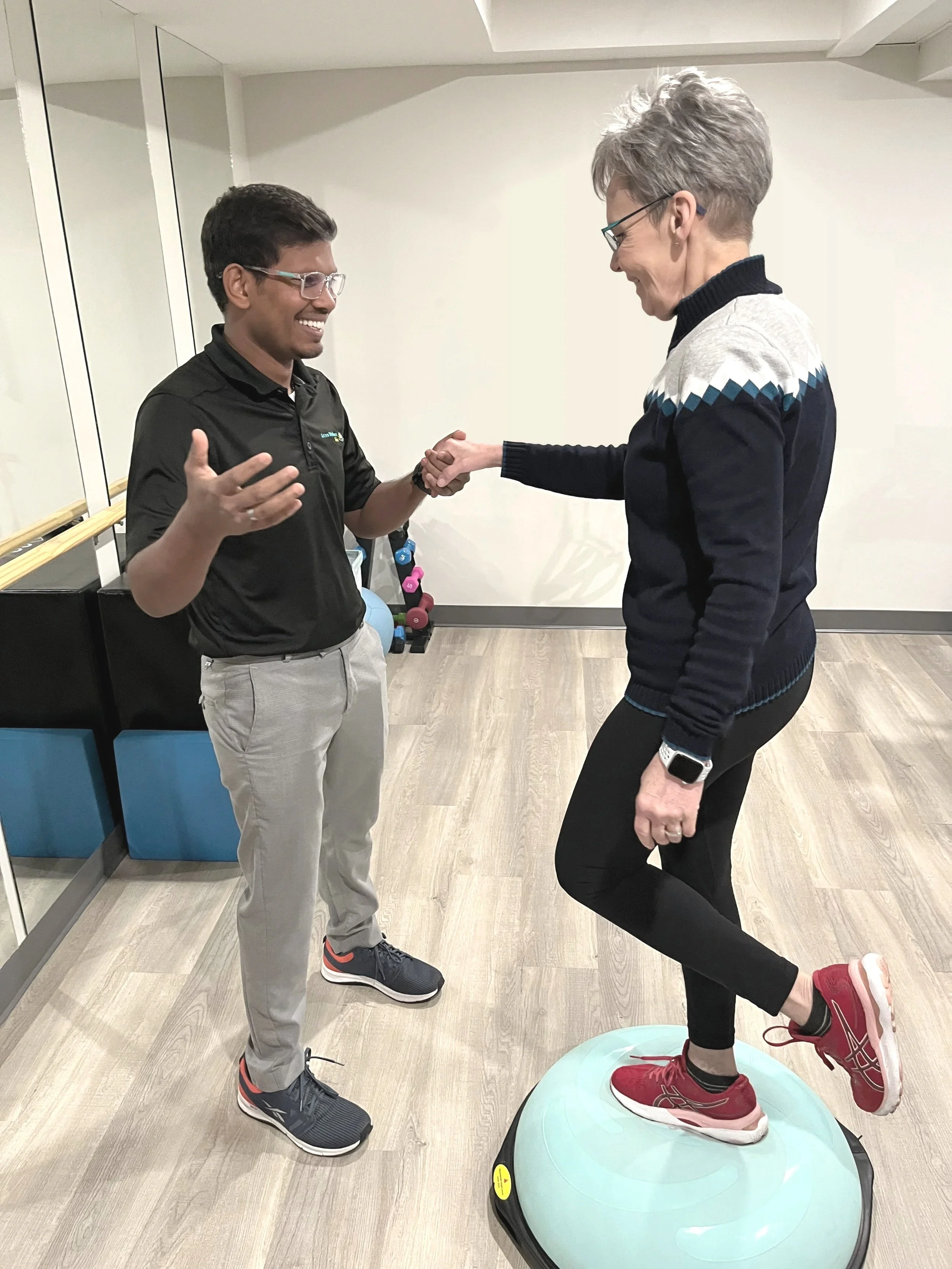
During clinical exercise sessions, you'll work one-on-one with a physiotherapy assistant who will guide you through the exercises your practitioner has prescribed. They'll make sure you're using proper form, help you progress safely, and provide feedback to your practitioner about how you're doing. Think of it as hands-on support to help you get the most out of your treatment plan.
Clinical exercise sessions can be 30, 45, or 60 minutes, depending on what your practitioner recommends for your needs.
The benefits of clinical exercise
Clinical exercise gives you expert guidance and support as you work toward recovery and better movement. Here's how these supervised sessions can help you heal and stay healthy:
Speeds up recovery: Performing the right exercises with proper form helps your body heal faster from injuries or surgery.
Builds strength safely: Gradually increases your strength and endurance under professional supervision, reducing the risk of re-injury.
Improves movement patterns: Helps you learn and practice healthy ways to move that support long-term wellness.
Provides accountability: Regular sessions keep you on track with your treatment plan and motivated to do your exercises.
Offers professional feedback: Your physiotherapy assistant monitors your progress and adjusts exercises as you improve.
Reduces pain: Targeted exercises can help decrease pain and discomfort from injuries or chronic conditions.
Prevents future problems: Strengthens weak areas and corrects imbalances that could lead to future injuries.
Bridges treatment to independence: Prepares you to continue exercises on your own once you've completed your treatment program.
Clinical exercise plus…
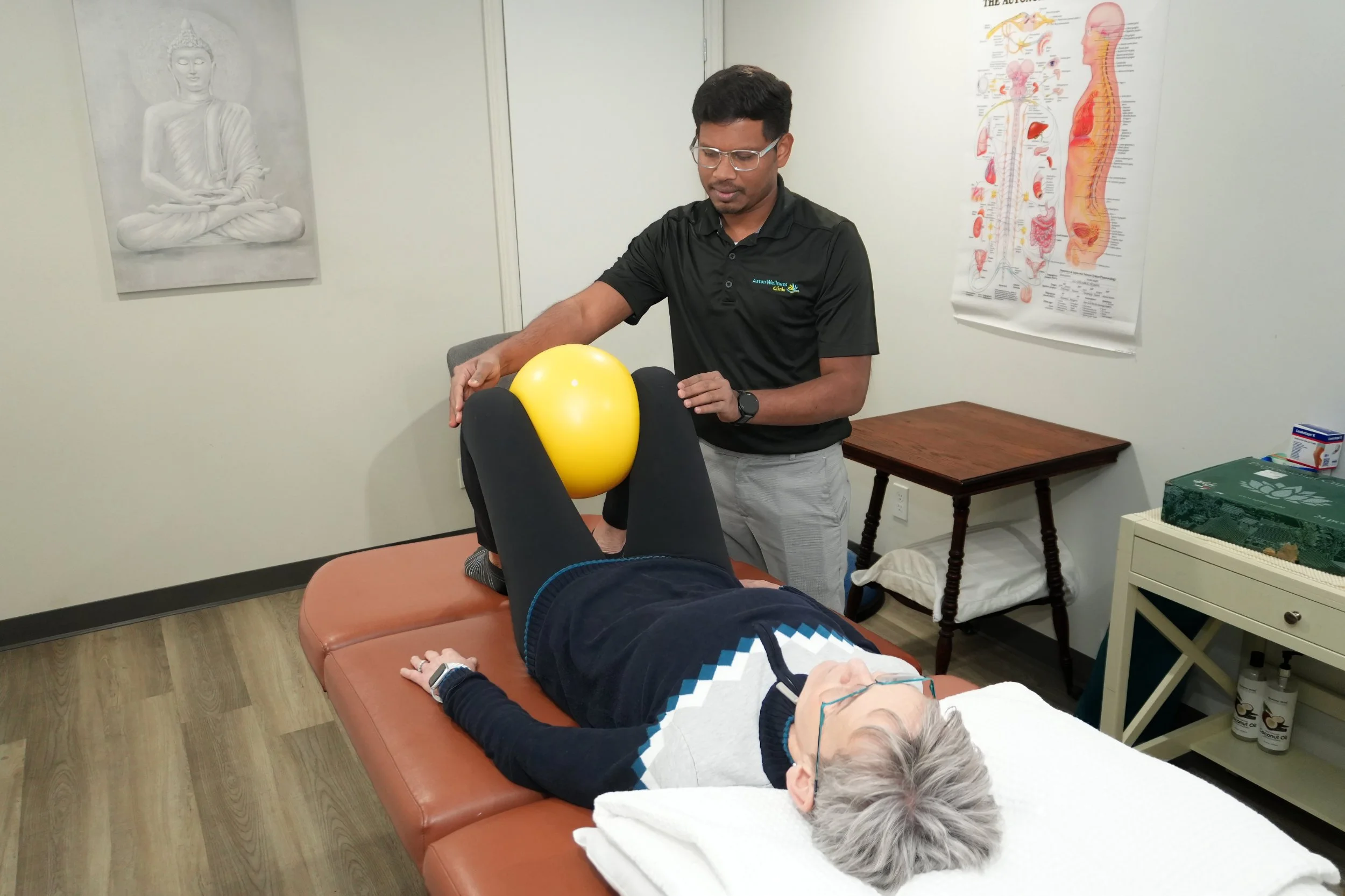
Clinical exercise is designed to work hand-in-hand with your other treatments at Aston Wellness. Your practitioner creates the plan, and clinical exercise helps you put it into action. Here's how it connects with other services:
Physiotherapy: Clinical exercise is often a key part of your physiotherapy treatment plan. Your physiotherapist assesses your condition, provides hands-on treatment, and prescribes exercises. Then you work with our physiotherapy assistant during clinical exercise sessions to practice and perfect those movements, building on what your physiotherapist has started.
Chiropractic: After your chiropractor adjusts your spine and joints, clinical exercise helps strengthen the muscles that support those areas. This combination helps your adjustments hold better and prevents problems from coming back.
Osteopathy: When your osteopathic practitioner improves your body's balance and movement, clinical exercise helps you maintain those improvements. The exercises reinforce the changes made during osteopathic treatment and build the strength you need for lasting results.
Massage Therapy: Massage therapy helps relax tight muscles and improve circulation, while clinical exercise builds strength and supports healthy movement patterns. Together, they address both the immediate relief you need and the long-term changes that keep you feeling good.
Talk to your practitioner about how clinical exercise can support your treatment plan and help you reach your health goals!
Our Physiotherapy Assistants
-

DEEPRSHRAJ RAJAMANI
PHYSIOTHERAPY ASSISTANT, FITNESS INSTRUCTOR
-

LADY FRANCE
PHYSIOTHERAPY ASSISTANT, FITNESS INSTRUCTOR
Your questions about clinical exercise
How is clinical exercise different from personal fitness training?
Clinical exercise is rehabilitation-focused and prescribed by a healthcare practitioner (like a physiotherapist, chiropractor, or osteopath) as part of treating a specific injury or condition. You work with a physiotherapy assistant who follows the treatment plan your practitioner has created for you. Personal fitness training, on the other hand, focuses on general fitness, athletic performance, and wellness goals. While both involve exercise, clinical exercise is specifically designed to help you recover from injury or manage a health condition, while personal training helps you build overall fitness and reach performance goals.
Do I need a referral to start clinical exercise sessions?
You don't necessarily need a referral to see one of our practitioners, but clinical exercise sessions are prescribed by your practitioner after they've assessed your condition. You'll first see a physiotherapist, chiropractor, or osteopath who will evaluate your needs and determine if clinical exercise is right for you. They'll then create a specific exercise plan for you to work on with our physiotherapy assistant. Some insurance plans may require a doctor's referral for coverage, so it's worth checking with your insurance provider.
What happens during a clinical exercise session?
During your session, a physiotherapy assistant will guide you through the exercises your practitioner has prescribed. They'll watch your form, make sure you're doing the exercises correctly, and help you progress at the right pace. The assistant will also answer your questions, provide encouragement, and take notes about your progress to share with your practitioner. Each session is focused on your specific treatment goals, whether that's regaining strength after an injury, improving flexibility, or learning movements that reduce pain.
How long will I need clinical exercise sessions?
The length of time varies depending on your condition and how quickly you progress. Some people need just a few weeks of sessions to learn their exercises and build strength, while others with more complex injuries or chronic conditions may benefit from several months of supervised sessions. Your practitioner will discuss a treatment plan with you and adjust it based on your progress. The goal is always to help you become independent with your exercises when you're ready.
What should I wear to clinical exercise sessions?
Wear comfortable clothing that allows you to move freely—similar to what you'd wear to a gym. Athletic wear like track pants, shorts, t-shirts, or tank tops work well. Bring supportive athletic shoes. Depending on the exercises prescribed, you may need to access certain body parts (like your shoulders or knees), so layers or clothing that's easy to move are helpful.
How often will I have clinical exercise sessions?
Your practitioner will recommend how often you should come based on your condition and treatment goals. Many people start with 1-3 sessions per week. As you improve and become more confident with your exercises, your sessions may become less frequent. Your physiotherapy assistant will track your progress and communicate with your practitioner, who can adjust the frequency of your sessions as needed.
Will I need to do exercises at home too?
Yes, in most cases your practitioner will give you exercises to practice at home between your clinical exercise sessions. Consistent practice is important for recovery and building strength. During your supervised sessions, your physiotherapy assistant will make sure you know how to do your home exercises correctly and can answer any questions you have about your home program.
Is clinical exercise covered by insurance in Ontario?
Clinical exercise sessions are often covered by company and individual insurance plans in Ontario under physical therapy or physiotherapy benefits. Coverage varies by provider and plan, so we recommend checking with your insurance company to understand your specific benefits. Many plans cover a certain number of physiotherapy or physical therapy visits per year, and clinical exercise sessions may count toward that total. We can provide receipts for you to submit to your insurance provider.
Can I switch from clinical exercise to personal fitness training?
Absolutely! Many people start with clinical exercise as part of their recovery and then transition to personal fitness training once they've completed their rehabilitation. Your practitioner will let you know when you're ready to move beyond clinical exercise. At that point, working with a personal trainer can help you build on your recovery, improve your overall fitness, and reach new health and performance goals. We're here to support you through every stage of your journey.