
Our Services
Chiropractic
What is Chiropractic?
Chiropractic is a hands-on, drug-free health care approach that focuses on your spine, muscles, joints, and nervous system. Think of chiropractors as experts in how your body moves and works together.
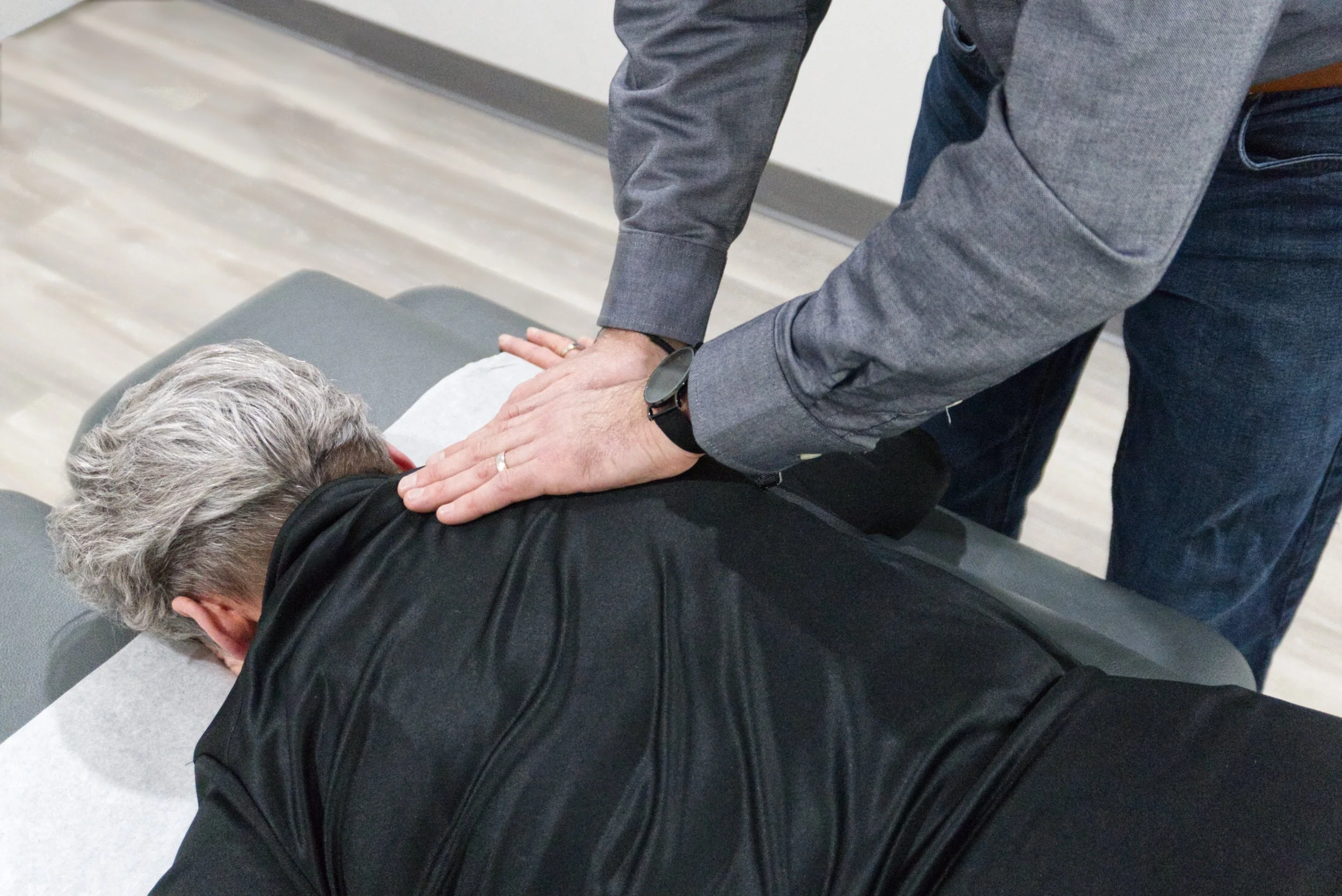
Chiropractors are trained to find and treat problems with your spine and joints that may be causing pain or limiting your movement. They use their hands to gently adjust your joints, helping your body move better and feel better—without medication or surgery.
What makes chiropractic care special is that it's all about you. Your chiropractor will work with you to create a treatment plan that fits your needs and goals. And when needed, they'll team up with other health professionals to give you the best possible care.
The benefits of chiropractic

Chiropractic care helps your body work better naturally, without drugs or surgery. From reducing pain to preventing future problems, here's what it can do for you.
Reduces pain: Helps with back pain, neck pain, headaches, and other aches.
Improves movement: Increases your range of motion and reduces stiffness in joints.
Helps your nervous system: Treats problems that affect your nerves and how they connect to your overall health.
Speeds up recovery: Helps you heal from work and sports injuries through hands-on treatment and exercises.
Better posture: Fixes imbalances that cause slouching or poor posture.
Prevents future problems: Gives you tools to reduce the chance of pain coming back.
No drugs or surgery: Treats your body naturally without medication or operations.
Better quality of life: Helps you stay active and feel better overall.
Chiropractic plus…
Chiropractic care works great on its own, but it can be even more effective when combined with other treatments. Here are some ways to boost your results.
Physiotherapy: Combining chiropractic with physiotherapy gives you the best of both worlds. Together, they can help reduce pain, improve how you move, and speed up your recovery from injuries.
Massage Therapy: Massage helps relax your muscles and improve blood flow. When you pair it with chiropractic adjustments, your muscles are more relaxed and ready for treatment, which can make adjustments more effective.
Exercise Programs: Your chiropractor may give you specific exercises to do at home. These exercises strengthen your muscles, improve flexibility, and help prevent problems from coming back.
Shockwave Therapy: Shockwave therapy works especially well for stubborn tendon and muscle problems that don't respond to adjustments alone. When paired with chiropractic care, it helps break down scar tissue and trigger your body's natural healing while chiropractic adjustments restore proper movement and alignment.
Red Light Therapy: Red light therapy supports your body's healing at the cellular level by reducing inflammation and promoting tissue repair. When combined with chiropractic adjustments, it can help speed up recovery and reduce pain more effectively, giving your body the alignment and cellular support it needs to heal.
Talk to Dr. Gil about creating a treatment plan that works for your needs and goals!
Our Chiropractor
-

Dr. Manuel Gil, D.C., R.M.T., B.Sc. (Hons.)
CHIROPRACTOR & REGISTERED MASSAGE THERAPIST
Your questions about chiropractic
What conditions can chiropractic treat?
Chiropractors can help with many different health concerns related to your spine, joints, and nervous system. Common problems they treat include low back pain, neck pain, shoulder and knee pain, sports injuries, strains and sprains, arthritis pain, and work-related injuries. Chiropractors look at how problems with your spine and joints affect your whole body, including your nervous system. They use hands-on treatment to help restore balance and improve your overall health.
Can chiropractors only help with back pain?
Not at all! While chiropractors are known for helping with back pain, they treat many other conditions too. They can help with neck pain, shoulder and knee problems, headaches, sports injuries, and pain from arthritis. Chiropractors are experts in how your spine, joints, and nervous system work together, so they look at your whole body—not just your back. If you have pain or stiffness in any joint, or if you're recovering from an injury, a chiropractor might be able to help.
How does chiropractic work?
Your chiropractor starts by getting to know you and your health concerns. They'll ask about your medical history, do a physical exam, and may order tests if needed. Then they'll explain what they found and suggest a treatment plan that works for you.
The main treatment chiropractors use is called an adjustment. This is a gentle, hands-on technique where your chiropractor applies controlled pressure to your spine or other joints. This helps restore normal movement and improves how your body works. Your chiropractor may also use massage, therapeutic exercises, and give you tips on how to manage your condition at home.
Is chiropractic safe?
Yes, chiropractic is very safe when performed by a licensed chiropractor. In Ontario, chiropractors must complete at least seven years of education and pass rigorous exams before they can practice. They're trained to know which techniques are safe for each person and will always check your health history first. Like any health care treatment, there can be some mild side effects like temporary soreness, but serious problems are extremely rare. Your chiropractor will talk with you about any risks and make sure chiropractic is right for you before starting treatment.
Is chiropractic treatment painful?
Most people find chiropractic treatment comfortable. Some techniques might feel a bit uncomfortable, especially if the area being treated is already sore or swollen. But your chiropractor will always work carefully and stay within what feels okay for you. Many people actually feel relief right away!
What causes that popping or cracking sound during an adjustment?
That popping sound is called "cavitation," and it's completely normal and safe! Here's what happens: your joints contain a fluid that lubricates them, and this fluid has gases (like nitrogen and carbon dioxide) dissolved in it. When your chiropractor adjusts a joint, it creates a quick change in pressure, and these gas bubbles are released—that's the popping sound you hear. It's similar to opening a can of soda.
The pop isn't bones cracking or anything breaking. And here's the thing: not all adjustments make a sound, and that's okay too! A quiet adjustment can be just as effective. The goal is to restore movement to your joints, not to make noise.
Do I need a referral to see a chiropractor?
No, you don't need a referral in Ontario. You can book an appointment directly with a chiropractor whenever you want. However, some insurance plans might need a referral to cover your visits, so it's worth checking with them first.
What should I expect during my first visit?
Your first visit is all about understanding your needs. Your chiropractor will talk to you about what's bothering you, review your medical history, and look at any test results you may have. They'll explain their fees and answer any questions you have.
Next comes the examination. Your chiropractor will check how your joints, muscles, and nerves are working. They may test your strength, flexibility, and movement. Sometimes they'll recommend X-rays or other tests.
After the exam, your chiropractor will explain what they found and suggest a treatment plan. If they think another type of health professional would be better suited to help you, they'll refer you to the right person.
How many chiropractic sessions will I need?
This depends on you and what you're dealing with. Some people feel much better after just a few visits, while others need ongoing care to manage long-term conditions. Your chiropractor will talk with you about a treatment plan and check in regularly to see how you're doing. They'll adjust the plan as needed based on your progress.
Will I have to keep coming back forever?
No, you're not locked in for life! Treatment plans vary based on what you need. Some people come for a specific problem like back pain and stop once they feel better. Others choose ongoing care to help prevent problems from coming back, kind of like regular dental checkups.
Your chiropractor will recommend a treatment plan based on your condition and goals, but you're always in control. You can discuss your progress at any time and adjust the plan. Many people find that their pain improves within a few visits, and then they decide together with their chiropractor whether continued care makes sense for them.
What qualifications do chiropractors have?
Chiropractors in Ontario are highly trained health professionals. They must complete at least seven years of education after high school, including a degree from an accredited chiropractic college. They also need to pass tough exams that test their clinical skills and knowledge of laws and ethics. Before they can practice, they must register with the College of Chiropractors of Ontario, which regulates the profession. Even after they start practicing, chiropractors continue their education throughout their careers to stay current with the latest techniques and research.
Is chiropractic the same as physiotherapy?
No, they're different but related health professions. Both chiropractors and physiotherapists help with muscle and joint problems, and they may use some similar techniques. The main difference is that chiropractors specialize in treating problems with your spine, nervous system, and joints through adjustments. Physiotherapists focus more on movement and rehabilitation through exercises and other therapies. The good news is that both can work together as part of your health care team to help you feel better.
What's the difference between chiropractic and osteopathic care?
Both chiropractors and osteopathic practitioners use hands-on techniques to help your body heal, but there are some important differences, especially in Ontario.
Chiropractors are regulated health professionals in Ontario who focus on your spine, joints, and nervous system. They use specific adjustments (which may include that popping sound) to restore movement and reduce pain. Chiropractors complete at least seven years of education and must be registered with the College of Chiropractors of Ontario.
Osteopathic manual practitioners (sometimes called osteopaths) take a whole-body approach and typically use gentler techniques without the "cracking" sound. In Ontario, osteopathy is not currently a regulated profession, which means training and qualifications can vary.
Both can be helpful for different people and different conditions. Some people prefer the specific adjustments chiropractors use, while others prefer the gentler approach of osteopathy. The best choice depends on what feels right for you and what your body needs.
Is chiropractic covered by insurance?
It depends on your insurance plan. Many extended health plans do cover chiropractic care. The best thing to do is check with your insurance provider to find out what's covered and if you need a referral or approval before your visit.