Massage therapy
Our Services:
What is massage therapy?
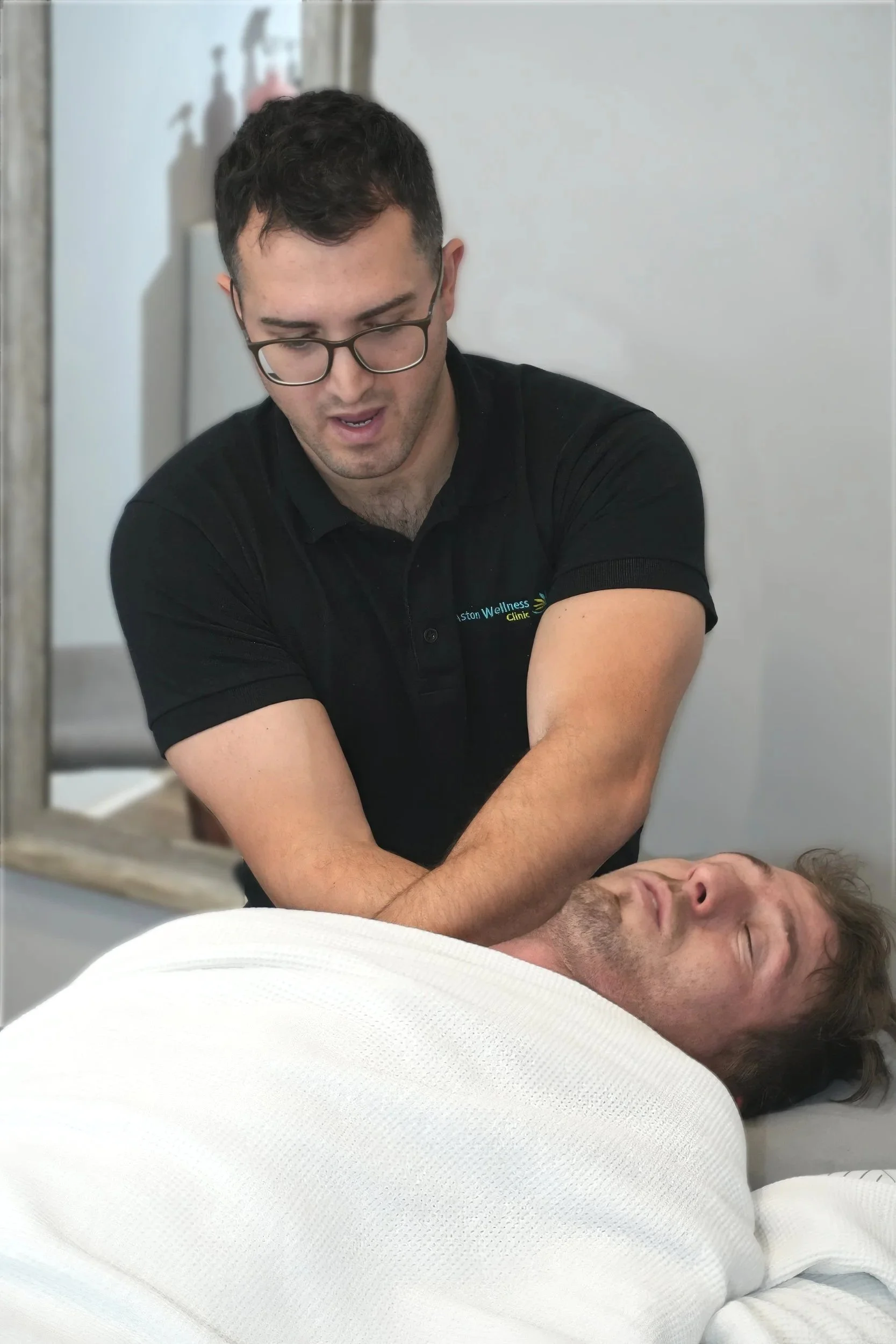
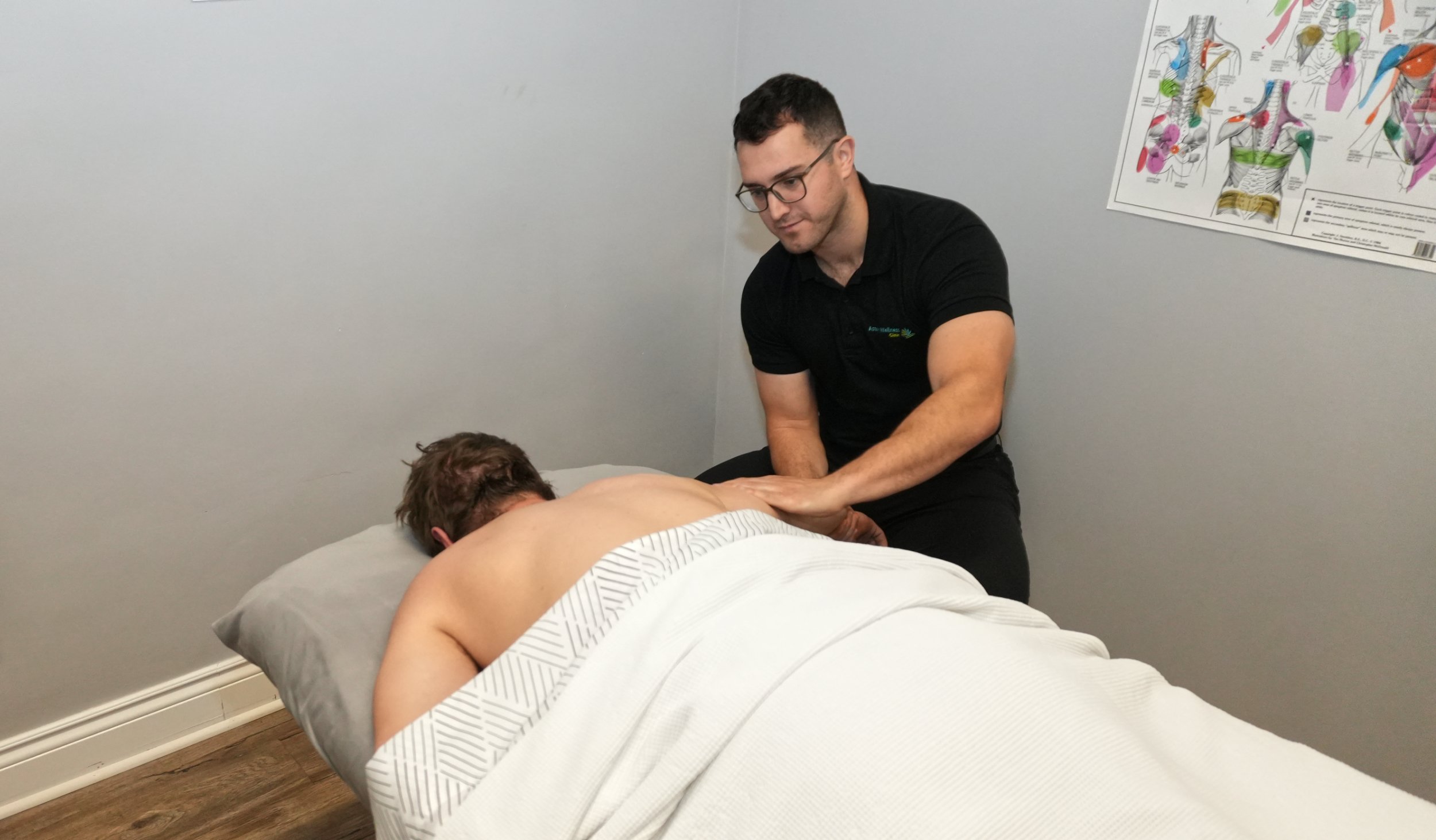
Massage therapy is a hands-on treatment that involves manipulating the soft tissues of your body, including muscles, tendons, ligaments, and connective tissue. Registered Massage Therapists use various techniques to help reduce pain, improve circulation, promote relaxation, and support your body's natural healing processes. Massage therapy can address both physical concerns like muscle tension and injuries, as well as support your overall wellness by reducing stress and improving sleep.
The benefits of massage therapy
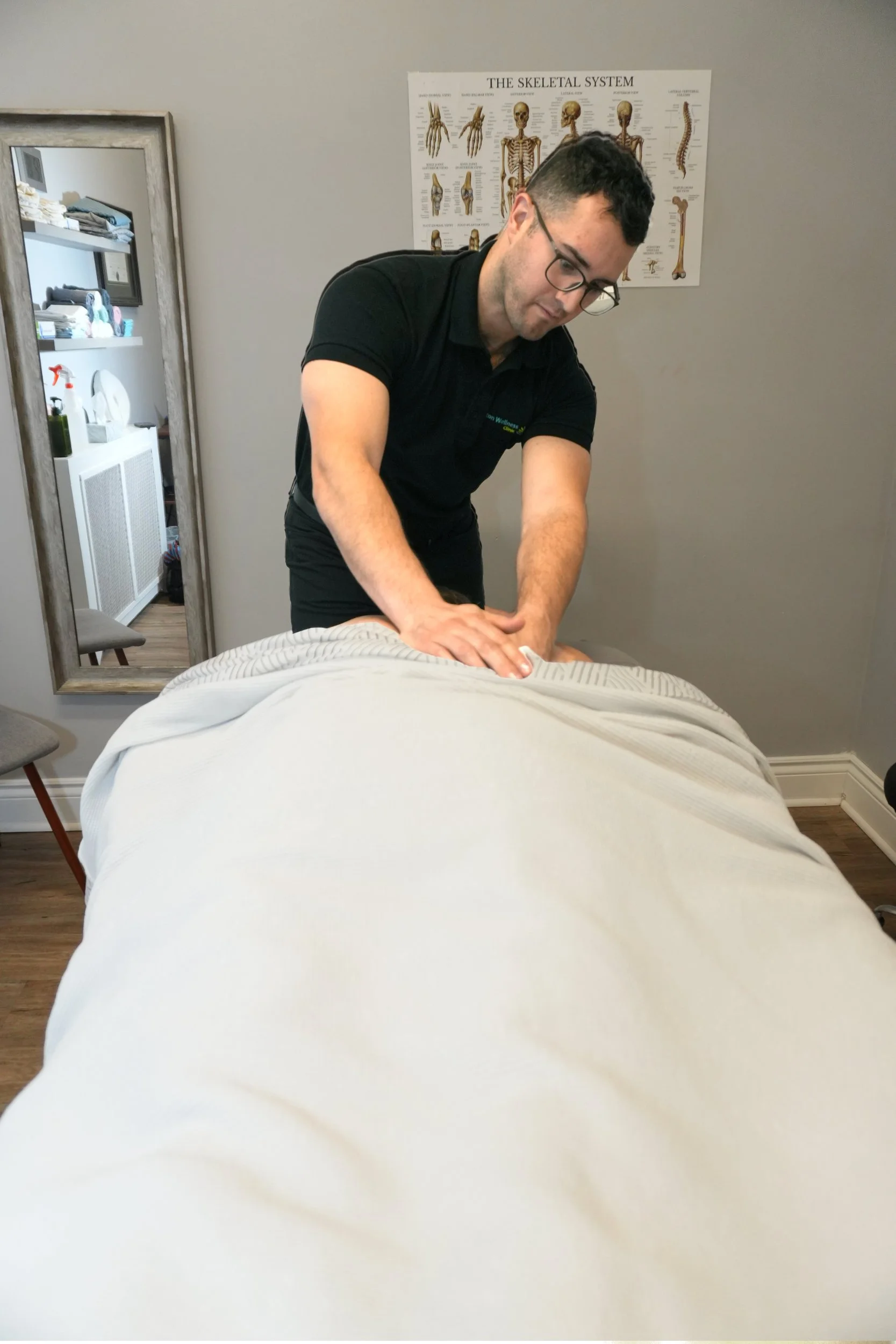
Massage therapy is a trusted, hands-on treatment that relieves pain, reduces stress, and helps your body heal naturally. Here's how regular massage can improve your health and well-being:
Reduces muscle tension and pain: Helps relieve tight, sore muscles and chronic pain conditions like back pain and headaches.
Improves circulation: Increases blood flow to tissues, which helps deliver oxygen and nutrients for healing.
Enhances flexibility and range of motion: Helps loosen tight muscles and improves joint mobility.
Reduces stress and anxiety: Promotes relaxation and can help lower stress hormone levels in the body.
Supports injury recovery: Can speed up healing by reducing inflammation and breaking down scar tissue.
Improves sleep quality: Promotes relaxation that can lead to better, more restful sleep.
Boosts immune function: May help support your immune system by reducing stress and promoting overall wellness.
Safe and natural: A drug-free approach to managing pain and supporting health.
Massage therapy plus…
Massage therapy works wonderfully on its own, but combining it with other treatments can provide even better results for your recovery and overall health. Here are some complementary therapies:
Physiotherapy: Combining massage therapy with physiotherapy exercises and rehabilitation can improve your strength and mobility while the massage helps reduce muscle tension and pain. This combination is particularly effective for recovering from injuries or managing chronic conditions.
Osteopathy: Working with an osteopathic manual practitioner alongside massage therapy can address both muscle tension and overall body alignment, providing a comprehensive approach to pain relief and wellness.
Shockwave Therapy: Using massage therapy before or after shockwave treatments can help relax surrounding muscles and enhance the overall effectiveness of both therapies, particularly for stubborn tendon or muscle issues.
Red Light Therapy: Massage therapy and red light therapy complement each other beautifully. Massage improves blood flow and relaxes tight muscles, while red light therapy works at the cellular level to reduce inflammation and support healing. Together, they can speed up recovery and provide deeper, longer-lasting relief from pain and muscle soreness.
Talk to us about creating a treatment plan that combines these therapies to help you achieve the best possible results for your health and wellness goals!
Our Massage Therapist
-

Dr. MANUEL GIL, D.C., R.M.T., B.Sc. (Hons.)
CHIROPRACTOR & REGISTERED MASSAGE THERAPIST
Your questions about massage therapy
What conditions can massage therapy treat?
Massage therapy can be beneficial for many conditions. Research shows it can help with low back pain, neck pain, shoulder pain, headaches and migraines, muscle tension and soreness, sports injuries, and osteoarthritis. It's also helpful for managing stress and anxiety, improving sleep, reducing symptoms of fibromyalgia, and supporting recovery from injuries. Your Registered Massage Therapist will assess your individual needs and create a treatment plan that's right for you.
How does massage therapy work?
During a massage therapy session, your Registered Massage Therapist uses their hands to apply pressure and movement to your muscles and soft tissues. This helps increase blood flow to the area, which brings oxygen and nutrients that support healing. Massage also helps break up adhesions (knots) in muscles, reduces inflammation, and can release tension held in the body. The physical manipulation of tissues, combined with the relaxation response it triggers in your nervous system, works together to reduce pain and promote healing.
Is massage therapy painful?
Massage therapy should not be painful. While you may experience some discomfort when the therapist works on areas with significant tension or injury, it should be a "good hurt" feeling, not sharp or severe pain. Your therapist will work within your comfort level and will ask you about pressure throughout the session. You should always communicate with your therapist if something feels too painful or uncomfortable, and they will adjust their technique accordingly.
How many massage therapy sessions will I need?
The number of sessions varies depending on your condition and treatment goals. For acute injuries or recent muscle strain, you might benefit from more frequent sessions initially (such as once or twice a week) for a few weeks. For chronic conditions or general wellness and stress management, less frequent sessions (such as every two to four weeks) may be appropriate. Your Registered Massage Therapist will develop a treatment plan based on your specific needs and will adjust it as you progress.
What should I expect during my first massage therapy appointment?
Your first appointment will begin with a health history and assessment. Your therapist will ask about your medical history, current medications, any injuries or conditions, and what areas are causing you concern. They'll assess your posture, range of motion, and the condition of your muscles and tissues. Your therapist will then explain their recommended treatment plan and answer any questions you have. During the treatment, you'll be properly draped at all times for your privacy and comfort, and only the area being worked on will be exposed.
Do I need to undress for massage therapy?
You should undress to your comfort level. Many people choose to undress completely, while others prefer to leave on underwear or other clothing. Your Registered Massage Therapist can work effectively with whatever you're comfortable with. You will always be properly draped with sheets and blankets, and only the area being treated will be uncovered. Your comfort and privacy are the top priorities, and professional draping techniques ensure you remain covered throughout the session.
Is massage therapy covered by insurance in Ontario?
Massage therapy is not covered by OHIP (Ontario Health Insurance Plan). However, most extended health benefit plans do cover massage therapy when provided by a Registered Massage Therapist (RMT). Coverage amounts vary by insurance provider and plan, so it's important to check with your insurance company to understand your specific benefits. Most plans do not require a doctor's referral, though some may. Many clinics offer direct billing to insurance companies for your convenience.
Are there any conditions where massage therapy should be avoided?
There are some situations where massage therapy may not be appropriate or may need to be modified. You should inform your therapist if you have any of the following: acute injuries or inflammation, recent surgery, blood clots or clotting disorders, severe osteoporosis, open wounds or skin infections, certain heart conditions, active cancer (unless cleared by your doctor), or if you're in the first trimester of pregnancy. Your Registered Massage Therapist is trained to recognize contraindications and will work with you and your healthcare providers to ensure safe, effective treatment.