
Our Services:
Personal Fitness Training
Our bodies are meant to move
At Aston Wellness Clinic, we embrace movement as a fundamental element of therapy and healing.
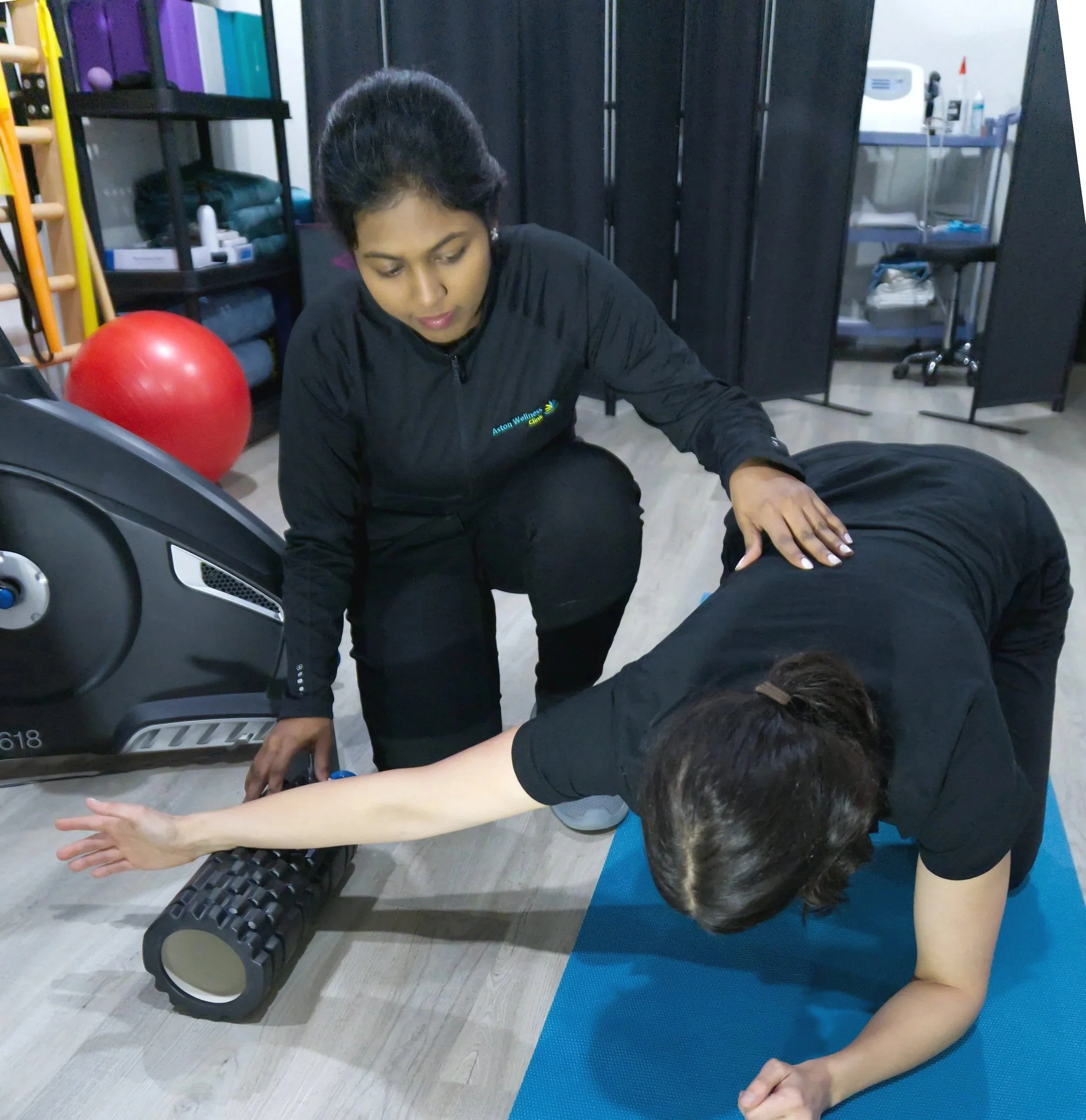
Our personal fitness training is a customized, one-on-one approach to exercise and physical activity designed to help you achieve your individual health and fitness goals. A qualified fitness professional creates a personalized exercise program based on your current fitness level, health history, abilities, and objectives. Personal training combines exercise prescription, education, motivation, and ongoing support to help you build strength, improve cardiovascular fitness, enhance flexibility, and develop healthy movement patterns in a safe and effective way.
The benefits of personal fitness training
Personalized program design: Exercise plans tailored specifically to your goals, fitness level, and any physical limitations or health conditions.
Improves overall fitness: Builds strength, endurance, flexibility, and cardiovascular health through structured exercise.
Supports chronic disease management: Helps manage conditions like diabetes, heart disease, arthritis, and high blood pressure through appropriate exercise.
Reduces injury risk: Proper form and technique instruction helps prevent exercise-related injuries.
Increases accountability and motivation: Regular sessions with a trainer help you stay committed to your fitness goals.
Enhances mental health: Regular exercise has been shown to reduce symptoms of depression and anxiety and improve overall mood.
Promotes healthy weight management: Combines cardiovascular and resistance training to support healthy body composition.
Adapts to your needs: Programs evolve as your fitness improves and your goals change over time.
Personal fitness training plus…
Personal fitness training works exceptionally well on its own, but combining it with other therapies can enhance your overall health and recovery. Here are some complementary services:
Physiotherapy: Working with both a physiotherapist and a personal trainer creates a comprehensive approach to injury rehabilitation and prevention. Your trainer can reinforce therapeutic exercises and help you progress safely as you recover.
Massage Therapy: Regular massage therapy can help reduce muscle soreness from training, improve recovery time, and maintain tissue health as you build strength and fitness.
Osteopathy: Combining osteopathic treatment with personal training addresses both structural alignment and functional movement, helping you move better and train more effectively.
Red Light Therapy: Red light therapy can significantly enhance your training recovery by reducing muscle soreness and inflammation at the cellular level. When combined with personal fitness training, it helps your body recover faster between sessions, allowing you to train more consistently and effectively while reducing the risk of overtraining.
Shockwave Therapy: If you're dealing with stubborn tendon or muscle issues that are limiting your training, shockwave therapy can help. Combined with a modified fitness program from your trainer, shockwave therapy addresses chronic injuries while your trainer ensures you can continue building strength and fitness safely around the affected area.
Talk to us about creating an integrated wellness plan that combines personal training with other services to support your complete health and fitness journey!
Our Personal Trainers
-

LADY FRANCE
PHYSIOTHERAPY ASSISTANT, FITNESS INSTRUCTOR
-

DEEPESHRAJ RAJAMANI
PHYSIOTHERAPY ASSISTANT, FITNESS INSTRUCTOR
Your questions about personal fitness training
Who can benefit from personal fitness training?
Personal fitness training is beneficial for people of all ages and fitness levels. Whether you're recovering from an injury, managing a chronic health condition, looking to improve athletic performance, wanting to lose weight, or simply hoping to become more active and healthy, personal training can help. Programs can be designed for seniors looking to maintain independence, individuals with limited mobility, athletes seeking performance gains, or anyone wanting guidance on safe and effective exercise.
I'm not very fit. Will this be too difficult for me?
Absolutely not! Personal training is designed to meet you exactly where you are. Your trainer will assess your current fitness level and create a program that's appropriate and achievable for you. Everyone starts somewhere, and a good trainer knows how to make exercise accessible regardless of your starting point. Programs begin with exercises you can do comfortably and progress gradually as your fitness improves. The goal is to challenge you appropriately while keeping exercise safe, enjoyable, and sustainable.
What should I expect during my first personal training session?
Your first session typically begins with a comprehensive assessment. Your trainer will discuss your health history, current medications, any injuries or conditions, your fitness background, and your specific goals. They'll assess your movement patterns, flexibility, strength, and cardiovascular fitness through various tests appropriate to your ability level. Based on this information, your trainer will develop a personalized exercise program and explain the plan moving forward. You may also begin some introductory exercises to establish proper form and technique.
How often should I train with a personal trainer?
The frequency of training sessions depends on your goals, budget, and fitness level. Many people start with 2-3 sessions per week to establish good habits and proper technique. As you become more confident and knowledgeable, you might reduce to once per week for ongoing guidance and accountability, supplementing with independent workouts. Some people prefer regular twice-weekly sessions for continued motivation and progress. Your trainer can help you determine the best frequency for your situation and goals.
Do I need any special equipment or clothing?
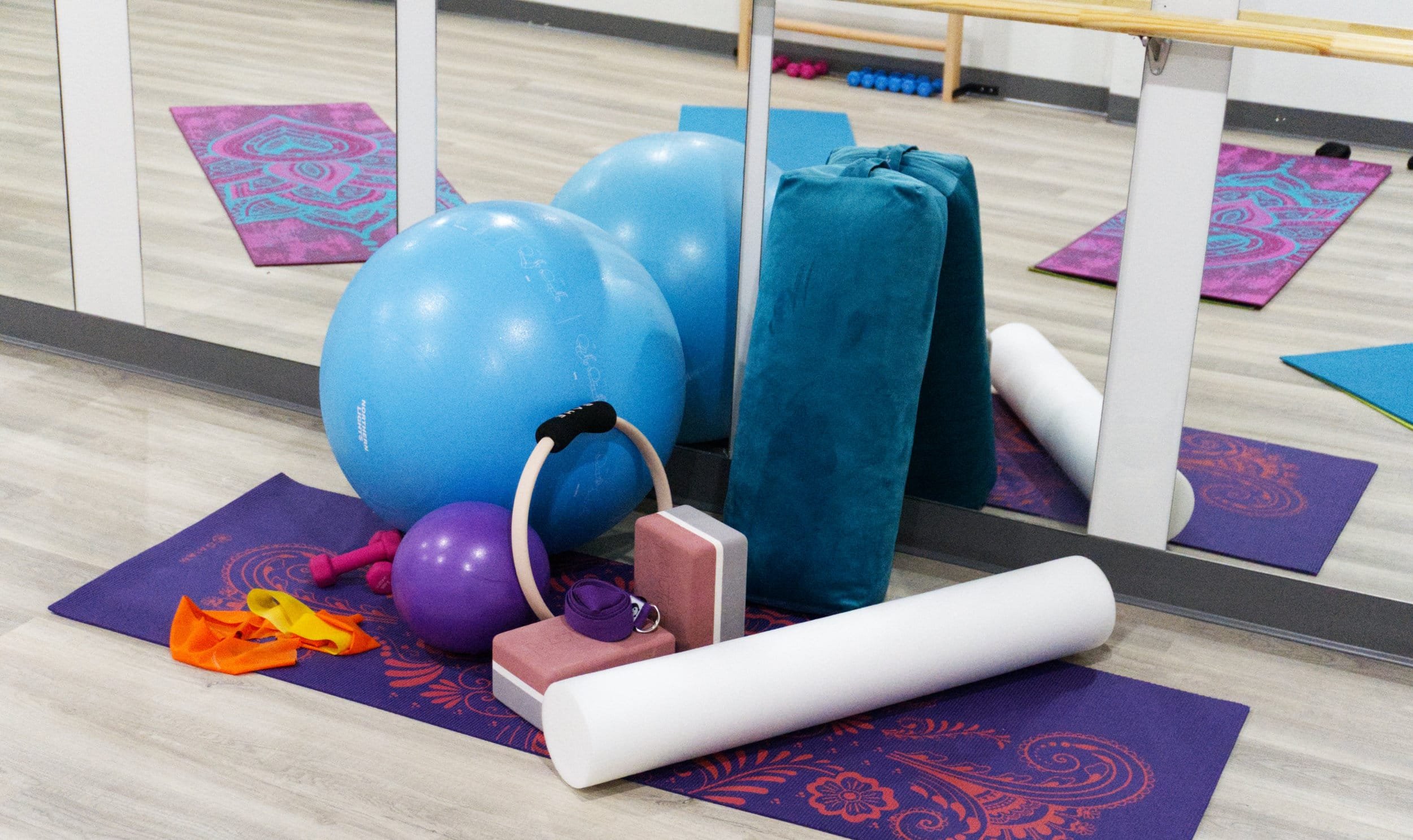
Wear comfortable clothing that allows you to move freely and appropriate athletic shoes. Your trainer will have access to any necessary equipment for your sessions. If you're working on a home-based program, your trainer can design exercises using minimal equipment or suggest affordable options that fit your space and budget. The focus is always on making fitness accessible and practical for your lifestyle.
Can personal training help with weight loss?
Yes, personal training can be an effective tool for healthy weight management. Your trainer will design a program that combines cardiovascular exercise and resistance training to support fat loss while preserving or building muscle. Exercise alone is one part of weight management, and your trainer may provide guidance on activity levels and general wellness habits. For comprehensive nutrition advice, we can connect you with appropriate professionals. Sustainable weight management comes from consistent exercise combined with healthy lifestyle choices.
Is personal fitness training covered by insurance in Ontario?
Personal fitness training is not covered by OHIP (Ontario Health Insurance Plan). However, if your training is provided by a Registered Kinesiologist, some extended health benefit plans may provide coverage. Kinesiology is a regulated health profession in Ontario, and many insurance plans now include coverage for services provided by Registered Kinesiologists. Coverage varies significantly by provider and plan. Additionally, some health spending accounts (HSAs) cover kinesiology services, and fees may be eligible as a medical expense tax credit. It's important to check with your insurance company to understand your specific benefits.
How long before I see results from personal training?
Results vary depending on your starting point, goals, and consistency. Many people notice improvements in energy levels, sleep quality, and how they feel within the first few weeks. Measurable changes in strength and endurance often become apparent within 4-6 weeks of consistent training. Changes in body composition typically take longer, often 8-12 weeks or more. Remember that fitness is a journey, not a destination. Your trainer will help you set realistic expectations and celebrate progress along the way, whether that's lifting heavier weights, moving with less pain, or simply feeling more confident in your abilities.