
May Run: Spring Recovery Tips
Over the last few months, we’ve been talking about getting ready for the warmer weather. And it looks like it’s finally here.
The Victoria Day long weekend (or “May Run,” as it’s been known around here for as long as anyone can remember) is the unofficial start of the outdoor season in Northern Ontario. The camps open up. The trails call. The fishing gear comes out of the garage. And most of us, if we’re honest, try to fit three months of activity into about seventy-two hours.
That’s not a complaint. It’s just who we are.
But if you want to spring into the long weekend without spending the next week limping around the office, you need a plan. We’re not suggesting you hold back: it’s been a very long winter with so… much… shovelling. What we’re suggesting is a plan to recover quickly so you can do it again. And again. All summer long.
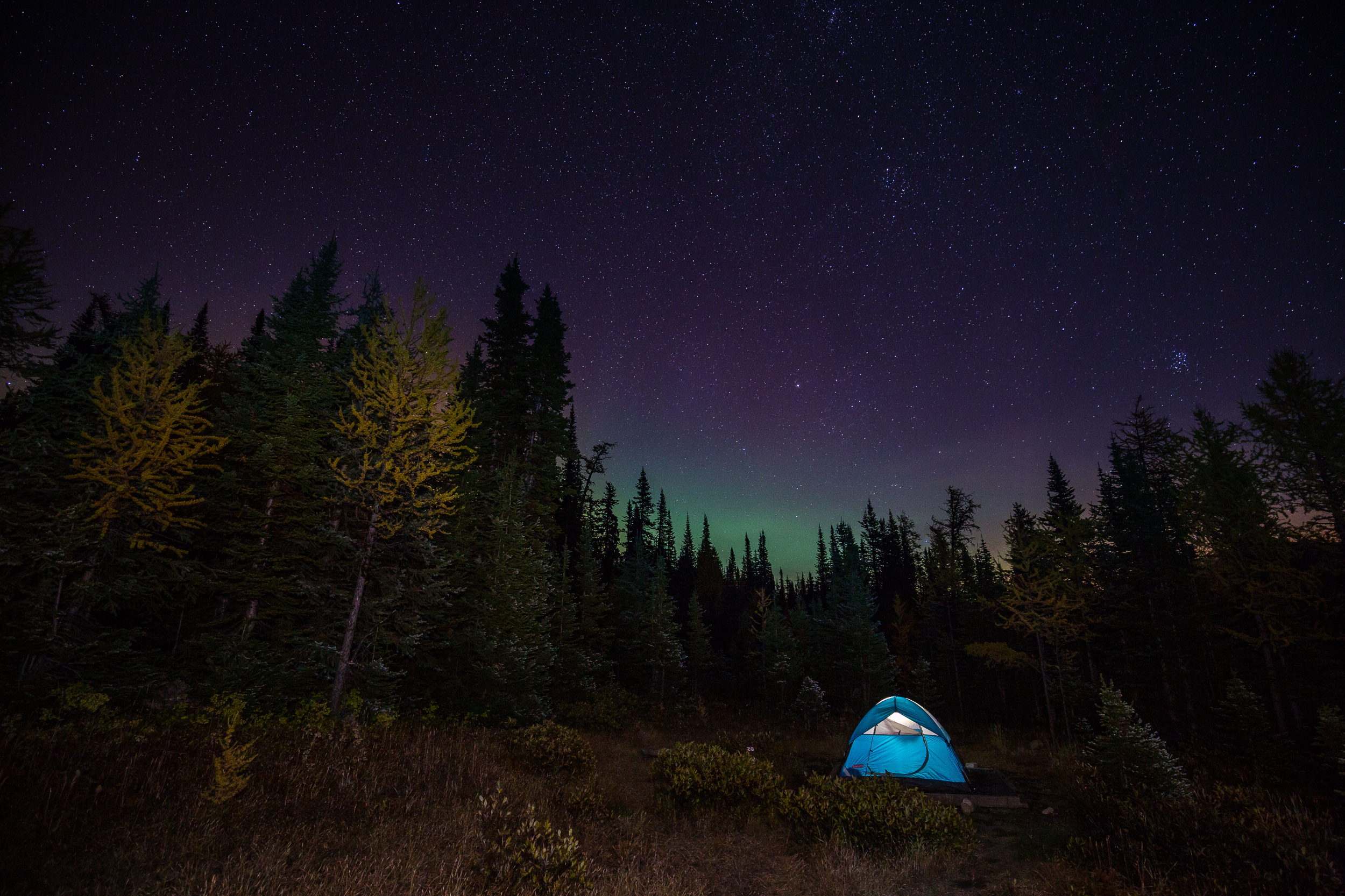
The Northern Lights… and no snow!
Your Body’s First Big Weekend
Here’s the thing about May Run: for most of us, it’s the first time since last fall that we’ve hiked a serious trail, paddled a canoe, hauled firewood, set up a camp, or slept on a mattress that required inflating.
Even if you’ve been more active through March and April, a full weekend of outdoor activity is a different kind of demand. You want it. Your body craves it. But three days of physical effort after that long Northern Ontario winter? Well, let’s just say you’ll feel it.
A little soreness after May Run is normal. Expected, even. That’s your body adapting to demands it hasn’t faced in months, and it’s a good sign. But overdoing it can make you miserable from Tuesday through Friday — and that’s what we want to help you avoid. The goal is to have a great long weekend and feel good all through that short 4-day week that follows.
During the Weekend:
Smart Habits
A few habits can make a real difference in how you feel when it’s over.
Pace yourself on Day 1. The long hike, the full day on the water, the grand camp project, shouldn’t all land on the first day. Spread out the effort. Your body will thank you later.
Warm up first. A short walk before the hike. A few minutes of stretching before you get in the canoe. It takes five minutes and it matters more at this point in the season than it will in August.
Mix it up. Repeating the same motion all weekend, whether it’s paddling, raking, or hiking the same trail twice, loads the same muscles over and over. Different activities give different parts of your body a chance to recover while others are working.
Stay hydrated. We’ve been saying this since March, and we’ll keep saying it. Increased activity plus spring sunshine means your body needs more water than you think. Dehydration is one of the most common reasons people feel worse than they should after a physically active day.
Prioritize sleep. A poor night on a camp mattress is one thing. Several poor nights in a row are something else. Bring what you need to sleep well. Your body does a significant amount of repair work overnight, and after a physical day in the outdoors, it needs that time. If you sleep at home with two pillows, bring two, maybe even the ones you sleep on every night. And hang them on the line in the morning. They’ll smell great when it’s time to go to bed.
After the Weekend:
Active Recovery
If you’re sore when you get home — and there’s a good chance you will be — here’s what helps.
Keep moving, gently. Active recovery — low-intensity movement that gets blood flowing without adding more stress to tired muscles, like a short walk or some easy stretching — is more effective than parking yourself on the couch. It might seem counterintuitive, but total rest tends to make soreness linger.
Ice first. An ice pack or a cold cloth on sore muscles helps manage the inflammation that peaks in the first 24 to 48 hours after heavy activity. Even ten or fifteen minutes makes a difference.
Midweek, follow with heat. A warm bath or a heat pad does something cold can’t: it loosens tight muscles and gets circulation moving through tissue that’s still recovering. If you’re still stiff on Wednesday, that’s the moment to reach for the heat pad, not the ice.
Stretch what took the biggest hit. After a camping and hiking weekend, stretch out your lower back, shoulders, and legs — especially the calves and hamstrings. Even five minutes of targeted stretching before bed can make a difference the next morning.
Soreness is normal. Pain is a signal. DOMS — delayed onset muscle soreness — is the deep, achy tiredness that typically peaks 24 to 48 hours after activity. It’s completely normal and will ease on its own. A sharper, more localized pain, or soreness that doesn’t improve after a couple of days, is a different signal and worth getting checked.
How We Can Help
At this point in the season, a little professional support can change how the rest of your summer feels. Whether you pushed a bit too hard or just want to bounce back faster, our team has options depending on what you’re dealing with.
Massage therapy works directly with the deep muscle tension that builds up after a full weekend of outdoor activity. It also improves circulation, which really speeds up the recovery process.
Red light therapy supports tissue recovery and helps reduce inflammation. It can make a big difference in the days right after heavy activity — when your body is doing its most intensive repair work.
Shockwave therapy is worth considering if something has moved beyond general soreness into a sharper, more persistent complaint — a tendon, a specific joint, something that’s clearly more than just tired muscles.
Osteopathy takes a whole-body approach. If something feels “off” after the weekend, an osteopath is trained to find what’s been pulled out of balance and address it at the source.
The First of Many
May Run is the first weekend of the season, not the best one. That’s still ahead. Get the recovery right and you’ll have a long, good run of everything that follows: the summer weekends, the camping trips, the rounds of golf, the evenings on the water.
You did the hard part. You got out there. Let us help with the rest.
Come see us before the long weekend, if you want to head into it feeling your best, or after, if you need a hand bouncing back. Either way, we’re here.